Have you ever been asked about a “typical day in DevRel”? I always chuckle and reply that every day is different – but they all have similarities. You may be creating a tutorial, a series of videos, updating the docs, creating a talk, or working with product on updating features… but all of these tasks, individually and as a whole, improve the developer experience.
If you are a homeowner, you probably have a list of things that need to be done with your house. The house needs a few updates, so one weekend it may be paint or a new dishwasher, new lighting, or replacing planks on the porch. Each of these small tasks makes living in your house better, and improves the overall experience.
Jump in and Try
Developer Relations teams often work in uncharted territory – creating experiments and projects that are new to your company. Can we add X to Y? Could we build a connection with ChatGPT? Building small proof of concept applications is often how neat features get rolled into your product. Bridging your product with other products helps connect communities and raise awareness.
DIY is much the same. The bathroom sink is leaking. So, you head to Home Depot, pick out a new faucet, watch a YouTube video or two, and pull out the wrenches.

In both of these cases, there is a willingness to learn, jump in and try something new. They both will take more time than you expected, troubleshooting (and probably the use of colorful language). But the openness to jump in and try new things leads to a result you can be proud of.
Priorities
Both in DevRel and DIY, there’s a list of things that needs to get done. And the list is is always much longer than the time you have available. So, everything gets prioritized, and you work on the most important stuff first, reshuffling as needed.
But, if an urgent question arises from a customer (or the community), you might put a temporary hold on the “list” and spend a few hours on a document/demo for the customer, and publish the results.
Just like at home… If you have all the walls taped, brushes ready, and the furniture pulled away from the walls to paint the bedroom, but the top step of the porch has come loose – painting will have to wait for a few hours.

Learning and Growing
DevRel teams are tasked with educating the community, but before you can teach others, you have to educate yourself – you have to know what you are talking about in order to be successful. When I started in DevRel, I was technical, but I wasn’t comfortable writing code. But, I jumped in and built sample applications, created demos, all of a sudden I found myself comfortable in that role. Maybe you are super comfortable in JavaScript, but the new demo needs to be in Python or Go. Successful devrel teams jump in and try new things (even if they are uncomfortable at first).
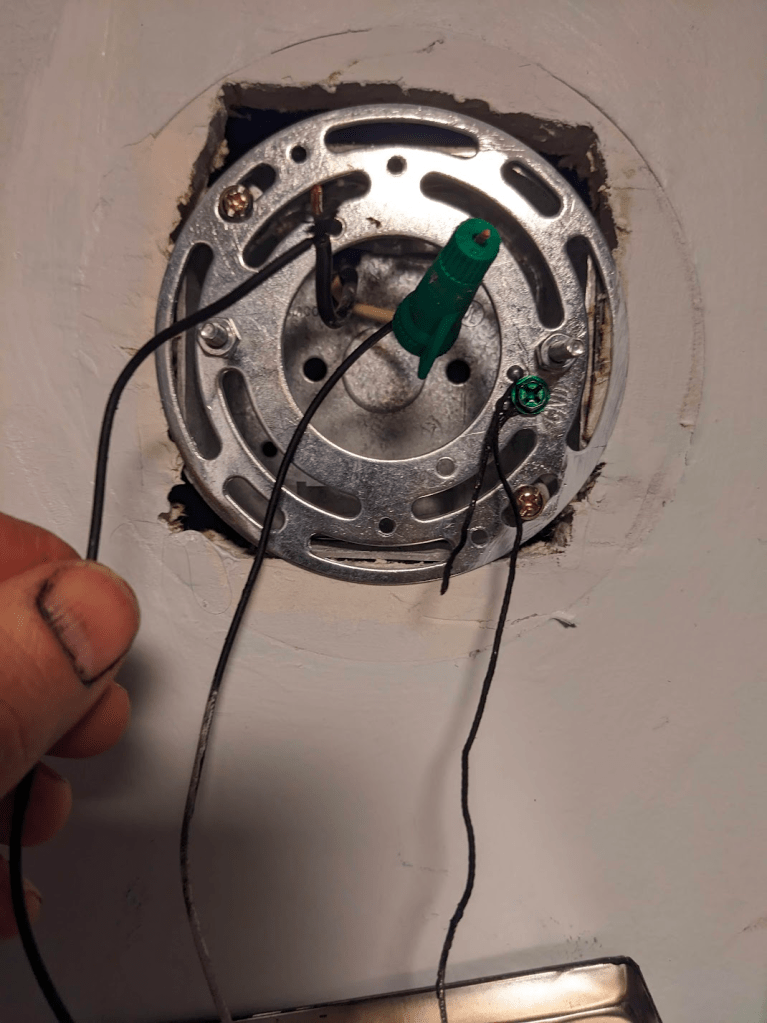
I found the same thing when it came to wring. When it came to electricity – I knew just enough to not zap myself. Then my wife found a really cool light for the wall. I stopped, took some time, watched some videos, and figured out the steps to change out a fixture:
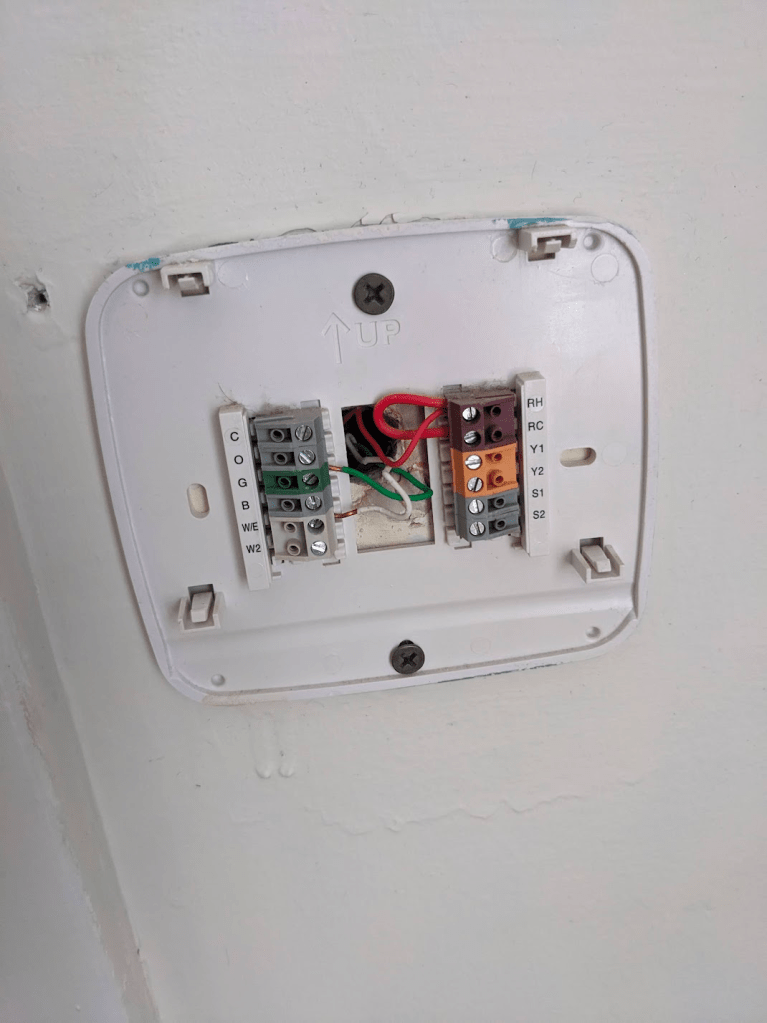
After a few projects working with wiring – like changing out thermostats:
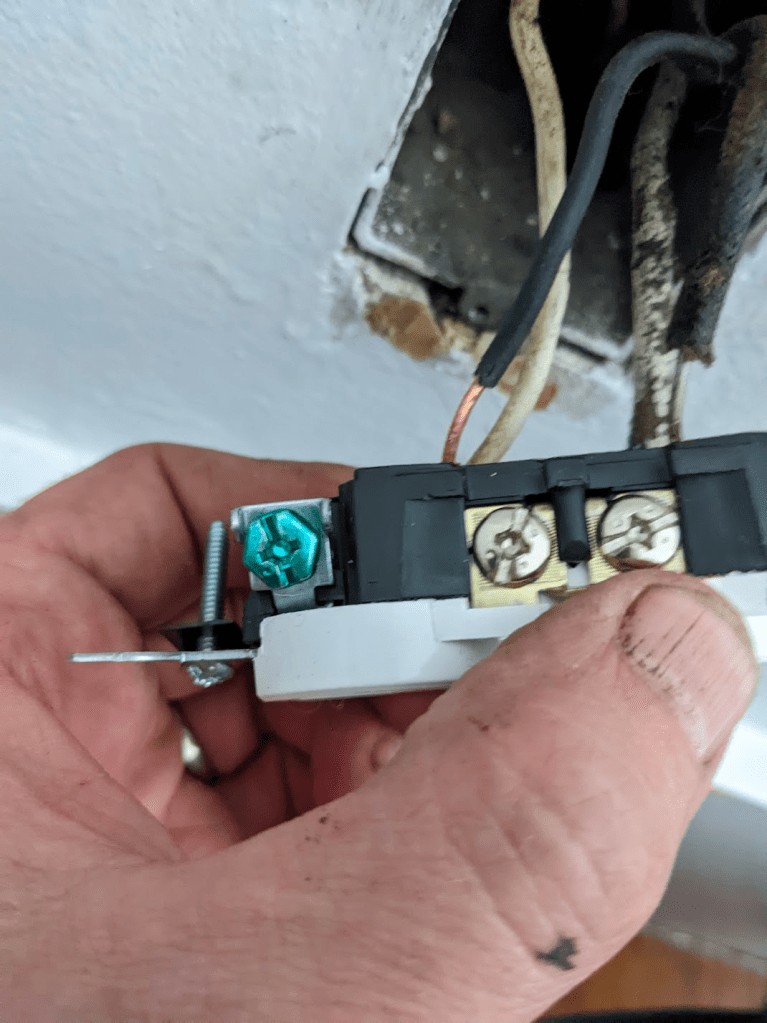
The next thing I knew, I was replacing outlets! (Always be safe, and make sure you shut of power before doing electrical work).
DevRel is technical DIY
If you think about it, we are creating the documentation, code and tutorials to help other developers be successful in their projects. Developers are learning from us in order to build their systems and applications.
Go in as deep as you feel comfortable – if you get stuck – reach out for help. Your dev team probably has encountered similar issues and a quick 10 minute troubleshooting will save you time. Similarly – if you’re not sure about the project, call in for help (Tim has saved us on a number of occasions!)
The things I love about devrel is that every day is different. I find the same enjoyment in working in and around the house.
 SpeakOfTheDevrel.Cloud: Doug Sillars